What Is Academic Integrity and Why It Matters at University
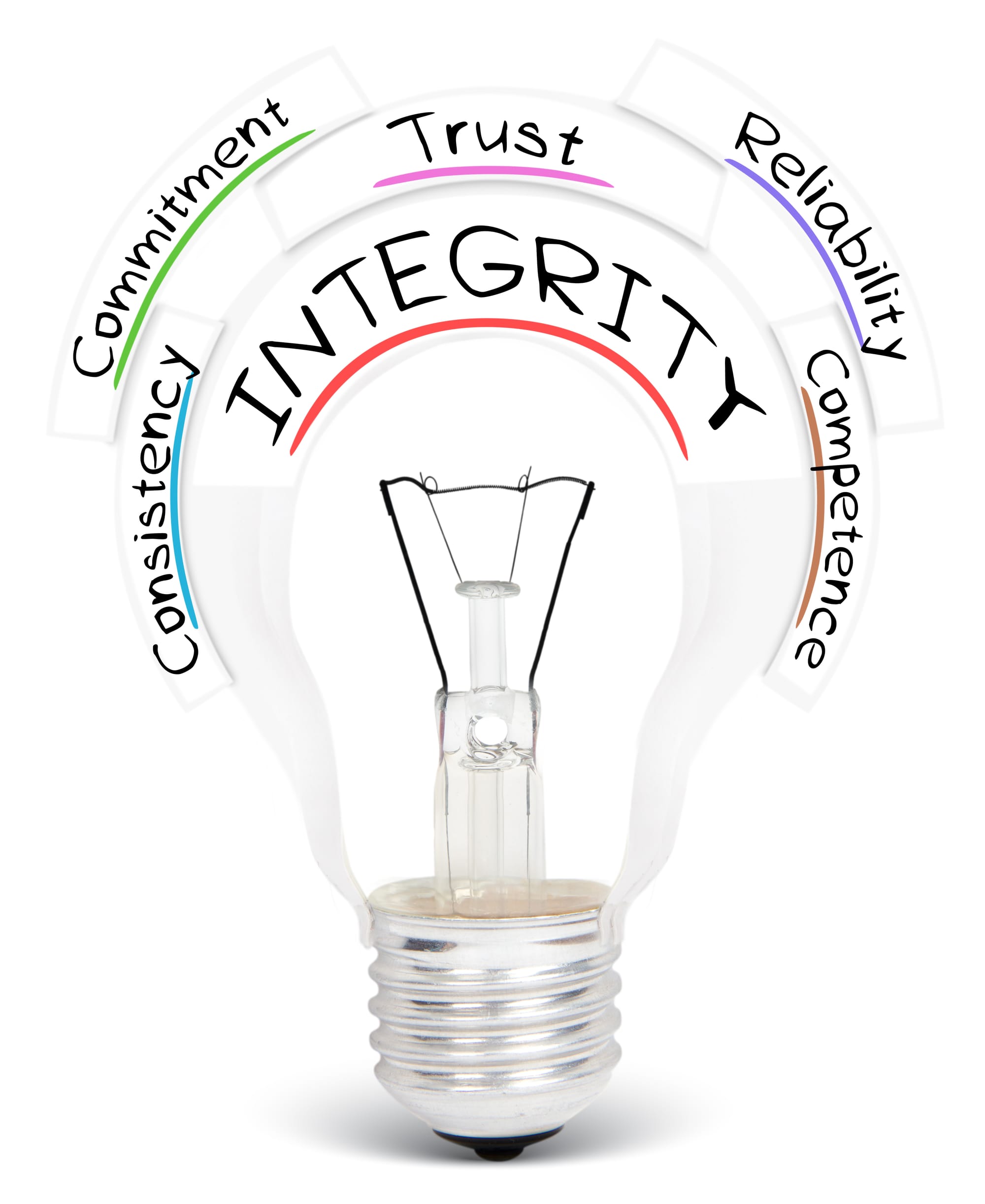
Academic integrity is one of the most important principles in higher education. It represents the foundation of trust between students, universities, and the wider academic community. Understanding academic integrity is essential not only for avoiding penalties, but also for developing critical thinking, responsibility, and professional ethics.This article explains what academic integrity means, why it matters at university, and how students can maintain high academic standards throughout their studies.
What Is Academic Integrity?
Academic integrity refers to the commitment to honesty, fairness, responsibility, and respect in all academic work. It means that students are expected to produce original work, properly acknowledge sources, and follow university rules when completing assessments.Academic integrity applies to:
- Essays and reports
- Exams and tests
- Presentations
- Group work
- Research projects
Universities worldwide treat academic integrity as a core value that supports meaningful learning.
Core Principles of Academic Integrity
Most universities define academic integrity around five key principles:
1. Honesty
Students must present their own work truthfully and accurately, without deception or misrepresentation.
2. Trust
Academic communities rely on trust so that qualifications reflect genuine learning and effort.
3. Fairness
All students are assessed under the same rules and standards.
4. Respect
Respect for the work of others includes proper referencing and acknowledgment of sources.
5. Responsibility
Students are responsible for understanding academic rules and following them consistently.
Why Academic Integrity Matters at University
Academic integrity is not just about avoiding penalties. It plays a crucial role in education and future professional life.
Ensures Fair Assessment
When students follow integrity rules, grades accurately reflect knowledge and effort.
Supports Learning
Producing original work helps students develop critical thinking, research, and writing skills.
Protects Qualifications
Degrees and certifications maintain their value when academic standards are upheld.
Builds Professional Ethics
Many professions require honesty and accountability. Academic integrity prepares students for real-world expectations.
Common Academic Integrity Violations
Understanding what violates academic integrity is just as important as understanding what supports it.Some common violations include:
- Plagiarism (using someone else’s work without proper citation)
- Improper referencing
- Collusion (unauthorized collaboration)
- Submitting the same work for multiple assessments without permission
- Fabricating or falsifying information
These actions can have serious academic consequences.
Understanding Plagiarism
Plagiarism is one of the most common academic integrity issues. It occurs when a student presents another person’s ideas, words, or research as their own without proper acknowledgment.Plagiarism can be:
- Intentional
- Unintentional (due to poor referencing or lack of understanding)
Learning how to paraphrase correctly and reference sources properly is essential for avoiding plagiarism.
How Universities Promote Academic Integrity
Universities actively promote academic integrity through:
- Clear academic policies
- Integrity declarations on assessments
- Plagiarism detection tools
- Academic skills workshops
- Writing and research guidance
These measures are designed to educate students, not just to penalize them.
How Students Can Maintain Academic Integrity
Students can protect themselves and their academic progress by following a few key practices:
Understand the Rules
Each university has its own academic integrity policies. Students should review them carefully.
Plan Assessments Early
Good time management reduces pressure and the risk of poor decisions.
Use Reliable Academic Sources
Using credible sources improves both integrity and academic quality.
Reference Correctly
Always follow the required referencing style consistently.
Ask Questions
If something is unclear, seeking clarification from tutors or academic advisors is encouraged.
Academic Integrity and Long-Term Success
Academic integrity extends beyond university. Employers, professional bodies, and postgraduate institutions value honesty, accountability, and ethical behavior.Students who develop strong integrity habits are better prepared for:
- Professional responsibilities
- Ethical decision-making
- Independent problem-solving
- Lifelong learning
Final Thoughts
Academic integrity is not simply a set of rules—it is a mindset that supports learning, fairness, and personal growth. By understanding its importance and applying its principles consistently, students can protect their academic progress and build skills that extend far beyond university.Maintaining academic integrity ensures that education remains meaningful, credible, and valuable for everyone involved.