3 Mistakes People Make When Buying E-Books Online
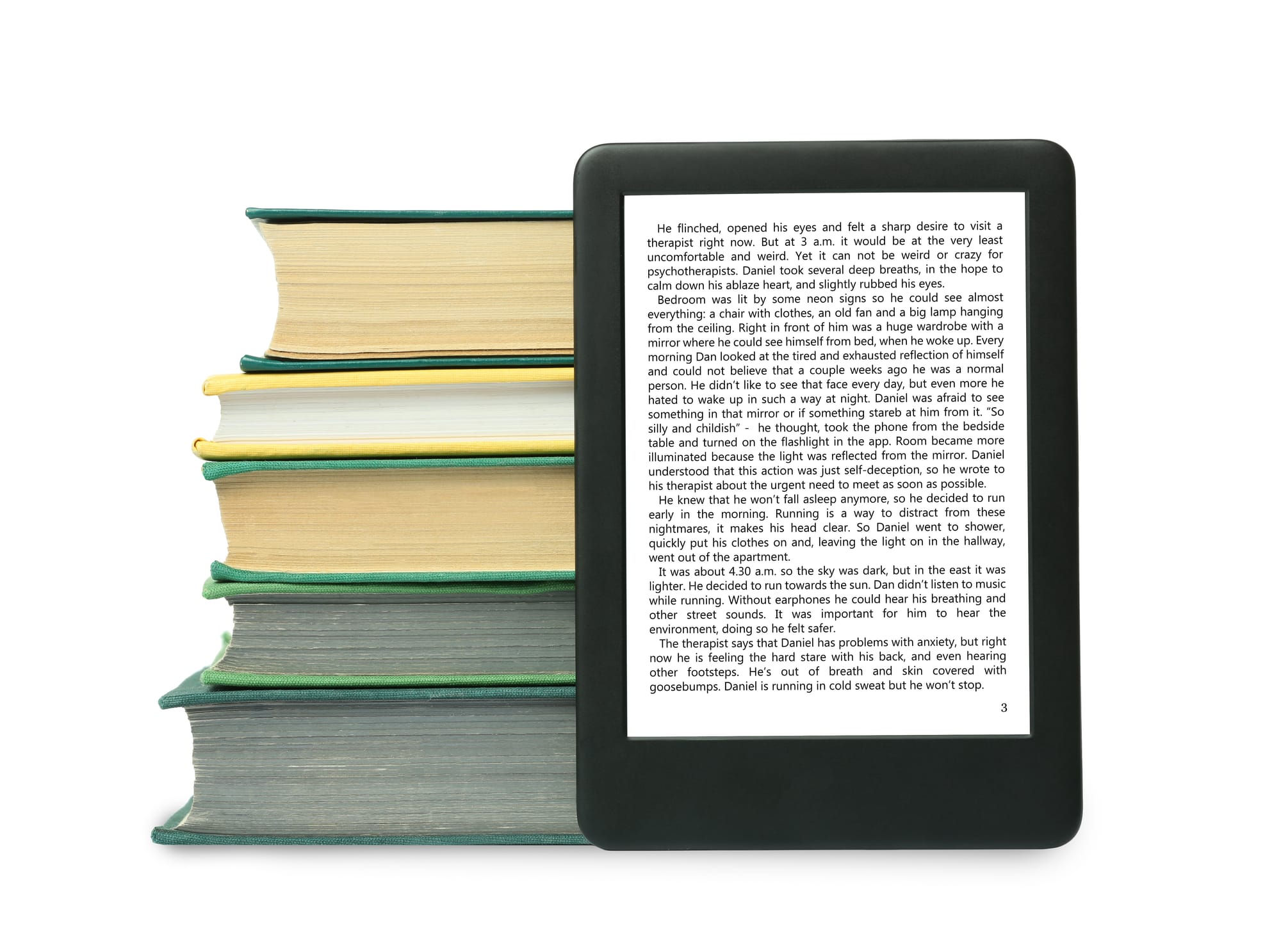
Buying eBooks online is a common way to access educational information, but some readers make simple mistakes that reduce the usefulness of the content they purchase. Understanding these common issues helps people make more informed choices when selecting digital learning materials.
1. Judging an eBook Only by Its Title or Cover
One common mistake is choosing an eBook based only on its title or visual presentation. While design can attract attention, it does not indicate the quality or relevance of the information. A well-prepared eBook clearly explains its content, structure, and intended audience. Reading the full description helps readers understand what to expect.
2. Not Defining the Purpose of the eBook
Some readers purchase eBooks without considering their specific learning needs. An eBook is most useful when it serves a clear purpose, such as gaining general knowledge or understanding a particular topic. Selecting a book that matches the reader’s objective supports a more focused learning experience.
3. Overlooking How the Information Can Be Used
Another common mistake is buying an eBook without considering how the information will be reviewed or applied. Digital learning is more effective when content is structured in a clear and accessible way, allowing readers to revisit sections as needed. Well-organized eBooks support better understanding over time.
Conclusion
Choosing an eBook is not only about accessing digital content but about selecting an educational resource that fits individual needs. By avoiding these common mistakes, readers can make better-informed decisions and benefit more from digital learning materials.