3 Mistakes People Make When Buying E-Books Online
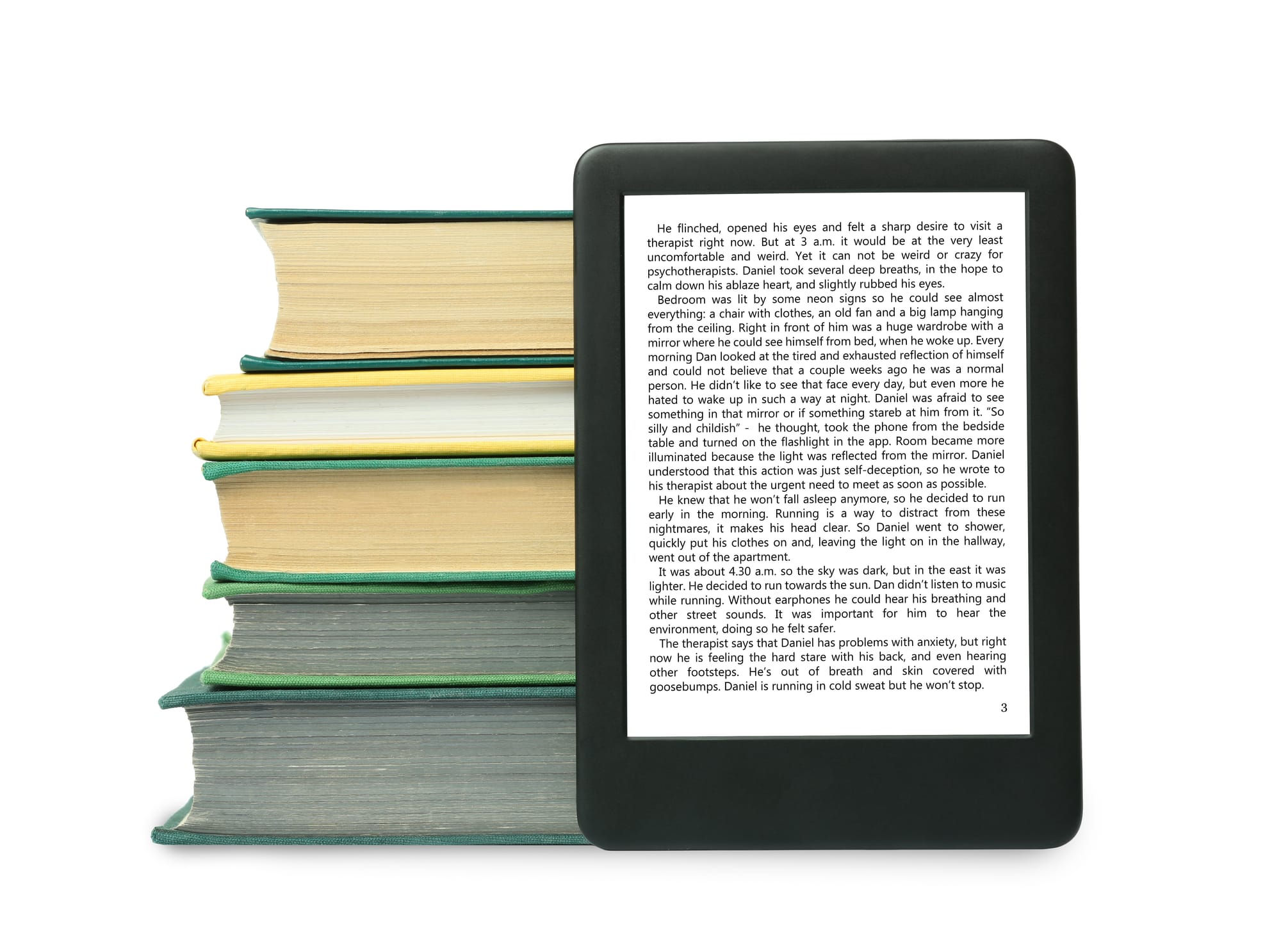
Buying e-books online can be a great way to learn and grow, but many people make simple mistakes that reduce the value of their purchase. Understanding these common issues can help you choose digital books that truly support your learning goals.
1. Focusing Only on the Title or Cover
A common mistake is judging an e-book only by its title or design. While presentation is important, it does not guarantee quality. A useful e-book should clearly explain what it offers and how the information is structured. Taking time to read the description helps set realistic expectations.
2. Overlooking the Purpose of the E-Book
Some readers buy e-books without thinking about why they need them. An e-book should serve a clear purpose, such as learning a new skill, improving knowledge, or gaining practical guidance. Choosing a book that aligns with your goal makes learning more effective.
3. Not Considering How the Information Is Used
Another common mistake is buying an e-book without planning how the information will be applied. Digital learning works best when the content can be reviewed, practiced, or revisited over time. E-books that are well-structured and easy to follow support better understanding and long-term retention.
Conclusion
Choosing an e-book is not just about downloading content—it’s about selecting a learning resource that fits your needs. By avoiding these common mistakes, readers can make more informed decisions and benefit more from digital learning materials.